Failing to ask about tobacco use is no longer just a missed opportunity; it is a patient safety issue.
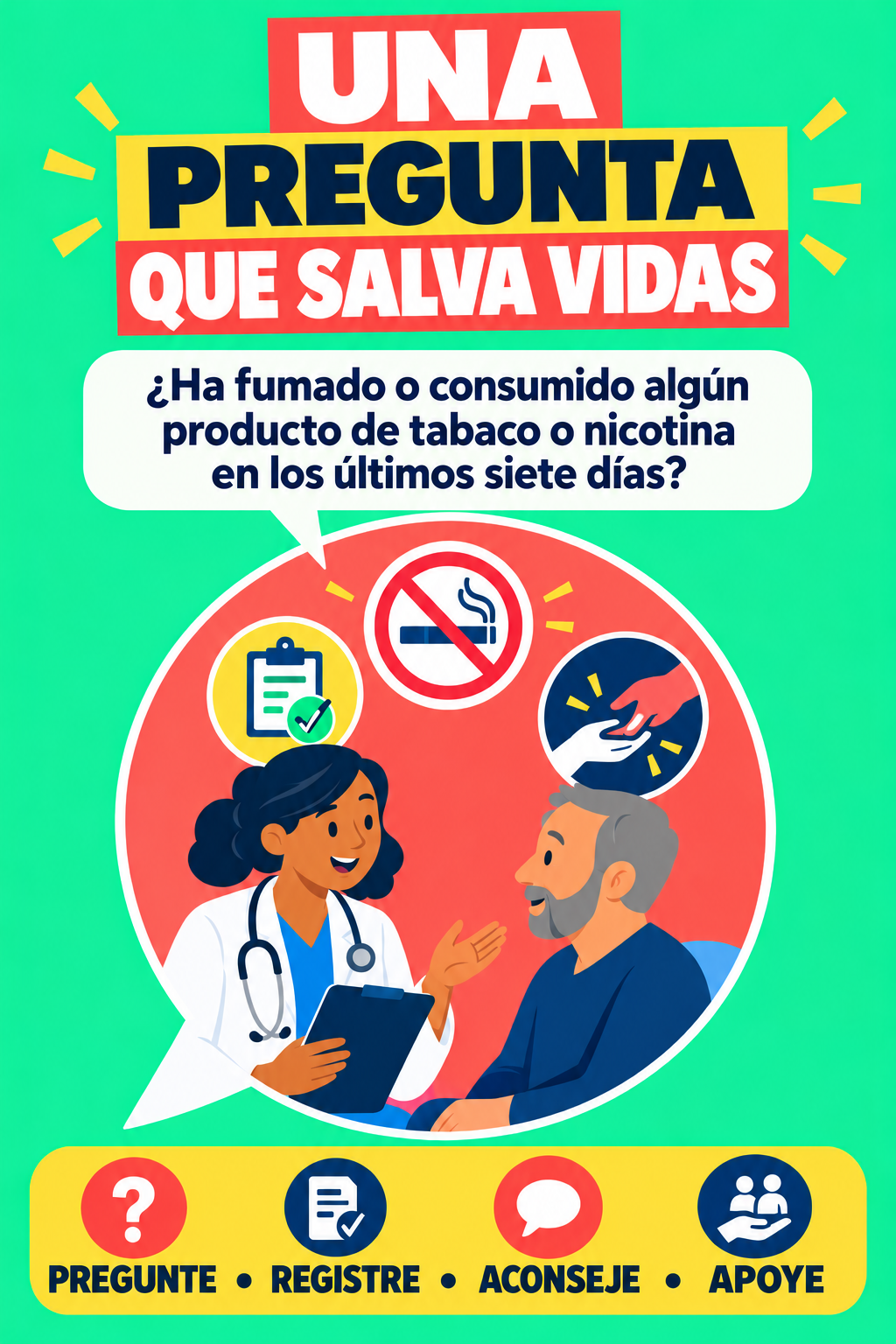
Every year, millions of patients attend medical appointments for hypertension, diabetes, heart disease, cancer, or respiratory illness. Yet many leave without being asked a question that takes less than ten seconds and can significantly reduce their risk of premature death:
“Did you smoke or use any tobacco or nicotine products in last seven days?”
This year, World Patient Safety Day 2026 puts the spotlight on safe care for noncommunicable diseases (NCDs), the conditions responsible for 74% of all deaths worldwide. If patient safety means preventing avoidable harm, then helping patients quit tobacco use must become a routine part of quality healthcare.

Tobacco cessation is patient safety
Tobacco dependence is a chronic relapsing disease and a leading cause of cardiovascular disease, cancer, chronic respiratory disease, and diabetes complications. Continuing to use tobacco after diagnosis of these conditions exposes patients to increased, completely preventable risks of heart attack, stroke, cancer progression, and premature death.
That is why asking about tobacco use, documenting it in the medical record, and offering brief advice should be viewed as essential clinical safety practices, just like checking blood pressure, reviewing allergies, or confirming medications.
One to three minutes can change a life
The World Health Organization recommends that every healthcare professional routinely:
- Ask about tobacco and nicotine use.
- Record the information in the patient’s health record.
- Advise every tobacco user to quit.
- And, if he/she is interested: offer support or refer to a specialist
This brief intervention can be delivered in 30 seconds to 3 minutes but also connects patients to effective behavioral support and proven medications such as nicotine replacement therapy, varenicline, bupropion, or cytisine where available.

The evidence is overwhelming
Research consistently shows that even brief advice from a healthcare professional increases the likelihood that a person who smokes will make a quit attempt and successfully stop smoking.
When quitting, the health benefits begin almost immediately. Within months, lung function improves. Within one year, the risk of coronary heart disease falls dramatically. Over time, the risks of stroke, multiple cancers, and premature death continue to decline.
Few clinical interventions offer such broad benefits at such a low cost.
One of the best-value interventions in healthcare
Tobacco use cessation is among the most cost-effective interventions available in primary care. It prevents hospital admissions, reduces healthcare expenditures, and improves both quality and length of life.
However, in many health systems, tobacco use is still not systematically assessed, and cessation counseling is not offered during routine care.
That gap matters.
Most Countries are committed to that
Through Article 14 of the WHO Framework Convention on Tobacco Control, more than 180 Parties are committed to implementing this intervention. Therefore, countries have a responsibility to improve their tobacco cessation responses.
When omission becomes poor practice
Imagine a patient hospitalized after a heart attack. Their cholesterol is treated. Their blood pressure is controlled. Their cardiovascular medications are prescribed.
But nobody asks whether they still smoke.
Can we truly say they received the safest possible care?
When an intervention is simple, evidence-based, inexpensive, and capable of preventing serious harm, failing to provide it moves beyond a missed opportunity. It becomes a quality-of-care failure, and increasingly, a patient safety concern.

Every health professional has a role
Tobacco cessation is not the responsibility of specialists alone.
All healthcare professionals, including primary care physicians, cardiologists, oncologists, pulmonologists, psychiatrists, dentists, nurses, pharmacists, and every member of the healthcare team can make a difference.
Every consultation is an opportunity to save a life.
Take action today
As the world advances toward safer care for NCDs, let us make one commitment universal:
Ask every patient. Advise every tobacco user. Do it every time.
Making tobacco use a routine clinical vital sign and systematically offering brief quit advice is not simply good prevention; it is safer healthcare.
" Every consultation should include one life-saving intervention."
Ask every patient about tobacco use. Advise every tobacco user to quit.
Dr. Eduardo Bianco
Director, Addiction Training Program for Health Professionals (ATHP), Frank Foundation.
Coordinator, Nicotine Addiction and Tobacco use Treatment Initiative (NATTI)