
The link between psychoactive substance use and mental health is no longer a peripheral issue. It has become one of the central concerns of contemporary public health. The scientific evidence accumulated over recent decades shows that we are not facing two separate problems but rather a single, complex, and bidirectional phenomenon in which neurobiological, psychological, and social factors interact dynamically. Understanding this interaction is essential for designing effective policies, prevention strategies, and models of care.
The World Health Organization itself has noted that substance use disorders and mental disorders share determinants, brain mechanisms, and social consequences, which makes it necessary to address them through an integrated rather than a fragmented approach. The Lancet Commission on global mental health and sustainable development explicitly places substance use within the core agenda of global mental health and sustainable development.
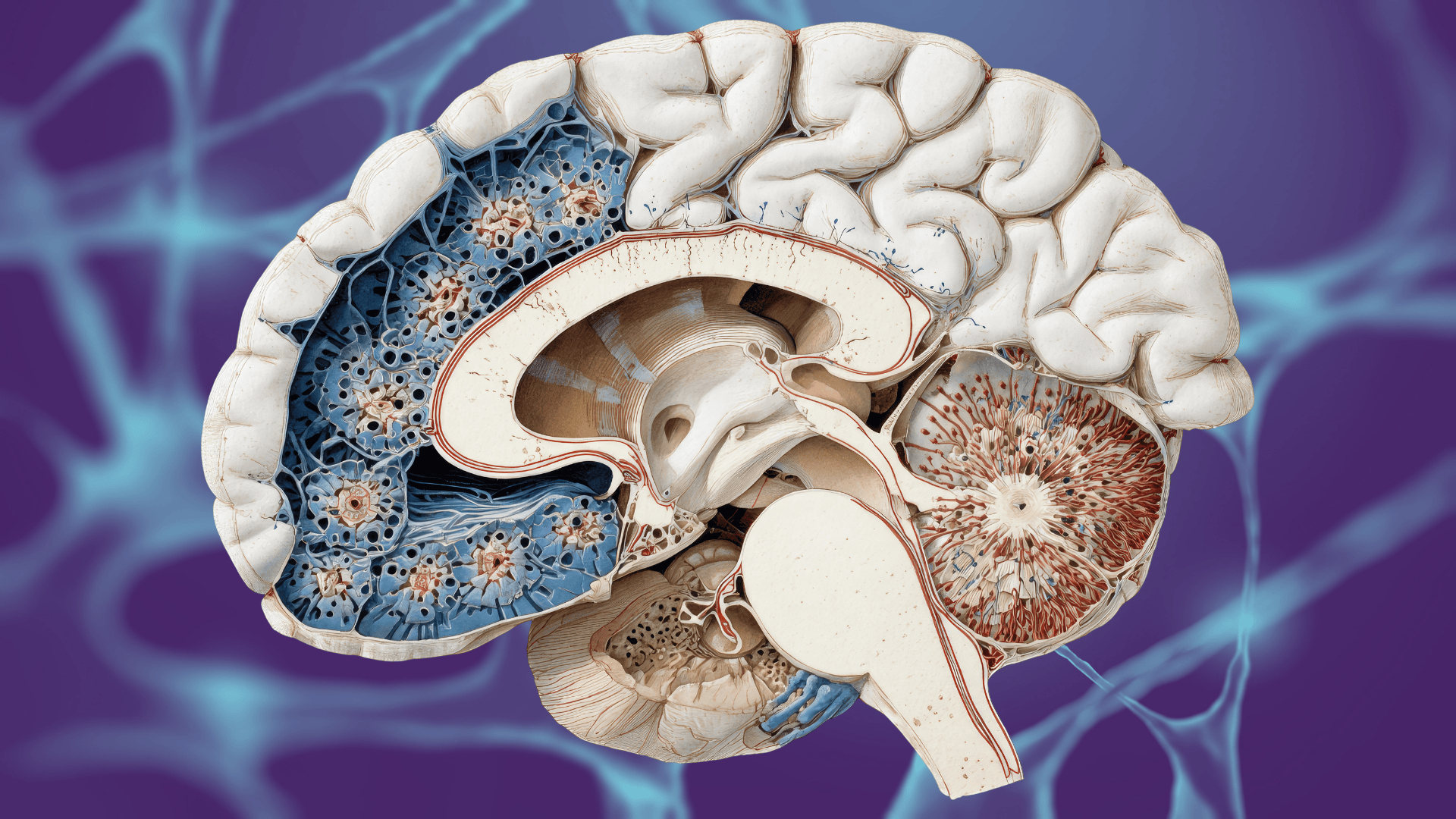
The Brain as the Main Stage of Addiction
All psychoactive substances, legal or illegal, act on the central nervous system by artificially altering the circuits of reward, motivation, memory, and inhibitory control. Through the massive release of dopamine and other neurotransmitters, drugs generate a biological “learning” signal that the brain interprets as a survival priority.
With repeated use, processes of neuroadaptation occur, involving structural and functional changes in the brain that are associated with reduced sensitivity to natural rewards, progressive impairment of the prefrontal cortex, responsible for critical judgment and self-regulation, and greater reactivity to stress and to cues associated with substance use, among other effects.
These findings have consolidated the concept of addiction, or substance use disorder, as a chronic brain disease, rather than a mere failure of willpower or behavior.
Adolescence: A Window of Maximum Vulnerability
If there is one period in which the interaction between substances and the brain is especially critical, it is adolescence. During this stage, the brain is still developing: emotional systems and sensation-seeking mechanisms mature earlier than executive control systems. This asynchrony creates a greater propensity for risk-taking and increased vulnerability.
Early exposure to substances can interfere with the maturation of essential neural networks, increase the likelihood of developing dependence, be associated with mental disorders such as depression, anxiety, behavioral disorders, and suicidal risk, and affect educational, social, and occupational trajectories.
Substance use in adolescents not only produces immediate effects, but it can also “program” the brain toward greater vulnerability in the future.
Similarities and Differences Among Substances
Although different drugs have distinct clinical profiles, they share many characteristics while also presenting certain differences.
Similarities: All activate the brain’s reward system. Many have the capacity to produce tolerance and dependence, alter behavioral and emotional control, and are often associated with social factors, stress, and trauma.
Differences: Alcohol acts as a depressant of the nervous system and is strongly associated with mood disorders, whereas psychostimulants produce cerebral hyperactivation, with a greater risk of anxiety, insomnia, and psychosis. Cannabis may trigger psychotic episodes in vulnerable individuals. Sedatives can produce a silent form of dependence with progressive cognitive decline. Opioids combine high lethality with profound emotional disruption.
These differences require specific therapeutic responses, but they do not alter the common logic of the addictive process.
A Bidirectional Relationship: What Comes First?
For years, there was debate over whether mental disorders led to substance use or whether drugs caused mental illness. Today, we know that both directions are valid and frequently coexist. People with depression, anxiety, or trauma may turn to substances as a form of self-medication. But sustained substance use can induce new mental disorders or worsen existing ones. This creates a feedback loop in which each condition intensifies the other, a phenomenon that helps explain the high prevalence of dual diagnosis.

Dual Diagnosis: The Central Clinical Challenge
A significant proportion of people with substance use disorders simultaneously present another mental disorder. This scenario requires abandoning separate models of care—one for “addictions” and another for “psychiatry”, which have proven ineffective.
The current approach proposes that every person with a substance use disorder should receive:
- A comprehensive assessment from the first point of contact
- Simultaneous treatment of both conditions
- Evidence-based psychosocial interventions (motivational interviewing, cognitive behavioral therapies, strengthening of emotional skills)
- Rational use of pharmacotherapy when indicated
- Family and community involvement, especially in young people
Contemporary clinical classification, such as that described in the Diagnostic and Statistical Manual of Mental Disorders (5th ed., text rev.), explicitly recognizes this interrelationship and the need for integrated approaches.
Implications for Public Policies
The available scientific knowledge requires a rethinking of traditional strategies focused exclusively on the substance itself. The real objective must be to protect brain development, strengthen mental health, and reduce the social and commercial determinants of substance use.
The most effective interventions include:
- Early prevention based on socioemotional skills
- Early detection in primary care
- Regulations that limit availability and exposure
- Reduction of stigma, the main barrier to treatment
- Integration of mental health and addiction services
Investing in prevention during adolescence generates health, social, and economic benefits that extend throughout the lifespan.
Conclusion
Psychoactive substance use and mental health constitute a single health challenge expressed in different clinical forms.
Neurobiological, epidemiological, and social evidence converge on a clear message: there will be no effective responses as long as conceptual and care fragmentation persists.
Addressing this issue requires recognizing the chronic, brain-based, and social nature of the disorder, prioritizing prevention among young people, and ensuring integrated, continuous, person-centered models of care that address associated mental health problems and support individuals in facing everyday challenges without the need to use substances.
To a large extent, public health in the 21st century will depend on our ability to understand and act upon this complex interaction.
References
- World Health Organization. Neuroscience of psychoactive substance use and dependence. Geneva: WHO; 2004.
Patel V, et al. The Lancet Commission on global mental health and sustainable development. The Lancet. 2018;392:1553-1598.
World Health Organization. Global status report on alcohol and health. Geneva: WHO; 2018.
American Psychiatric Association. Diagnostic and Statistical Manual of Mental Disorders (5th ed., text rev.). Washington, DC: APA; 2022.
Volkow ND, Koob GF, McLellan AT. Neurobiologic advances from the brain disease model of addiction. New England Journal of Medicine. 2016;374:363-371.
Casey BJ, Jones RM, Hare TA. The adolescent brain. Annals of the New York Academy of Sciences. 2008;1124:111-126.
Degenhardt L, Hall W. Extent of illicit drug use and dependence, and their contribution to the global burden of disease. Lancet. 2012;379:55-70.
Kelly TM, Daley DC. Integrated treatment of substance use and psychiatric disorders. Social Work in Public Health. 2013;28:388-406.
National Institute on Drug Abuse. Drugs, brains, and behavior: The science of addiction. Bethesda: NIDA; 2020.